This 7 day Albania itinerary takes you through the best of southern Albania — from the colourful capital Tirana and the Ottoman hilltop city of Berat, south through the Llogara Pass and down the Albanian Riviera to the Ionian coast at Saranda. It is a route that moves through wildly different landscapes within a small country, which is exactly what makes Albania such a rewarding destination.
Albania has been one of Europe’s best-kept travel secrets for years. That is changing fast. If you have been thinking about going, this is the year to do it before the Riviera starts to feel like the Croatian coast did a decade ago. Seven days is the perfect amount of time to do the south justice without rushing.
This guide is written for travellers flying into Tirana International Airport (TIA/Rinas). Each day follows a logical geographic flow south, and every transfer between destinations can be pre-booked as a private door-to-door service — no buses, no waiting, no connections.
Here is how to spend 7 days in Albania.
Day 1 — Tirana: Arrival and First Impressions
Your 7 day Albania itinerary starts in Tirana, and the city will probably surprise you. Most people arrive expecting a grey post-communist capital and find instead a genuinely lively, colourful, and caffeinated city that has reinvented itself with remarkable speed over the past two decades.
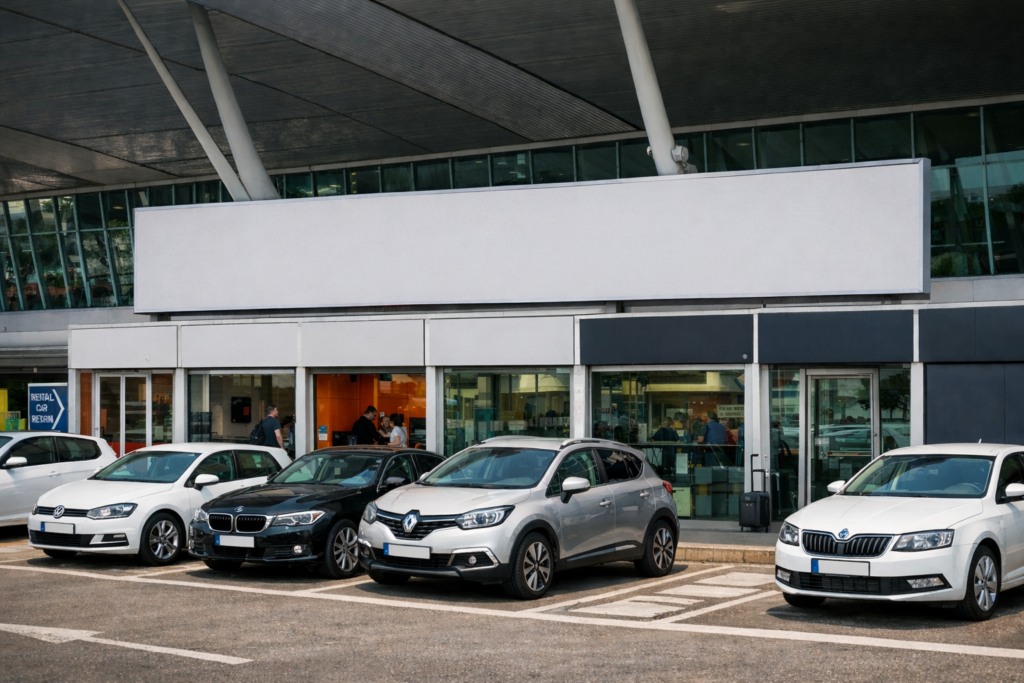
From Tirana Airport, the fastest way into the city centre is a private airport transfer — the drive takes about 25 to 35 minutes depending on traffic, and your driver meets you at arrivals. Useful if you land in the evening and want to get straight to your hotel without negotiating a taxi fare.
Day 1 is for settling in and getting a feel for the city. Walk to Skanderbeg Square — the vast central plaza anchored by the mounted statue of Albania’s national hero — and take in the mix of Ottoman mosques, Italian fascist-era architecture, and Soviet-style government buildings that somehow coexist in one city block. Then follow the main boulevard south into Blloku, the former communist elite district that is now Tirana’s most fashionable neighbourhood. This is where you eat dinner. The food scene here is genuinely good — try the traditional tavë kosi (baked lamb with yogurt and eggs) at least once during your week.
Tirana rewards wandering. The streets around the Grand Park and the artificial lake are quieter and pleasant in the late afternoon. The city has a huge number of street murals, particularly around the university district. If you arrive with enough energy, the Bunk’Art 2 museum in the city centre — a decommissioned communist nuclear bunker turned museum — is one of the most unusual cultural experiences in the Balkans and takes about an hour.
Day 2 — Tirana and Kruja
Spend the morning finishing Tirana before leaving the capital behind on Day 3. The National History Museum on Skanderbeg Square is worth two hours of your time — it covers Albanian history from the Illyrian period through the Ottoman centuries and the Hoxha dictatorship, and its enormous socialist-realist mosaic facade is one of the great pieces of public art in the region, whatever you think of the politics it once served.
In the afternoon, take a half-day trip to Kruja, 35 km north of Tirana. Kruja is where Gjergj Kastrioti — better known as Skanderbeg — successfully held off Ottoman expansion for 25 years in the 15th century, and the Albanians have never forgotten it. The castle on the hilltop contains the excellent Skanderbeg Museum and an Ethnographic Museum housed in a beautifully restored Ottoman mansion. Below the castle, the old bazaar street is one of the best in Albania for handmade crafts, traditional textiles, and copper work. It has been a market for 500 years and still feels like one.
Return to Tirana for the evening. Your last night in the capital — make the most of the restaurant and bar scene in Blloku, because once you head south tomorrow, the pace shifts considerably.
Day 3 — Tirana to Berat: The City of a Thousand Windows
Day 3 is a transition day, and it is a good one. Check out of your Tirana hotel in the morning and head south toward Berat, roughly 120 km away and about 1.5 to 2 hours by private transfer. The road passes through agricultural lowlands and the Tomorri mountain range starts to fill the horizon as you approach.
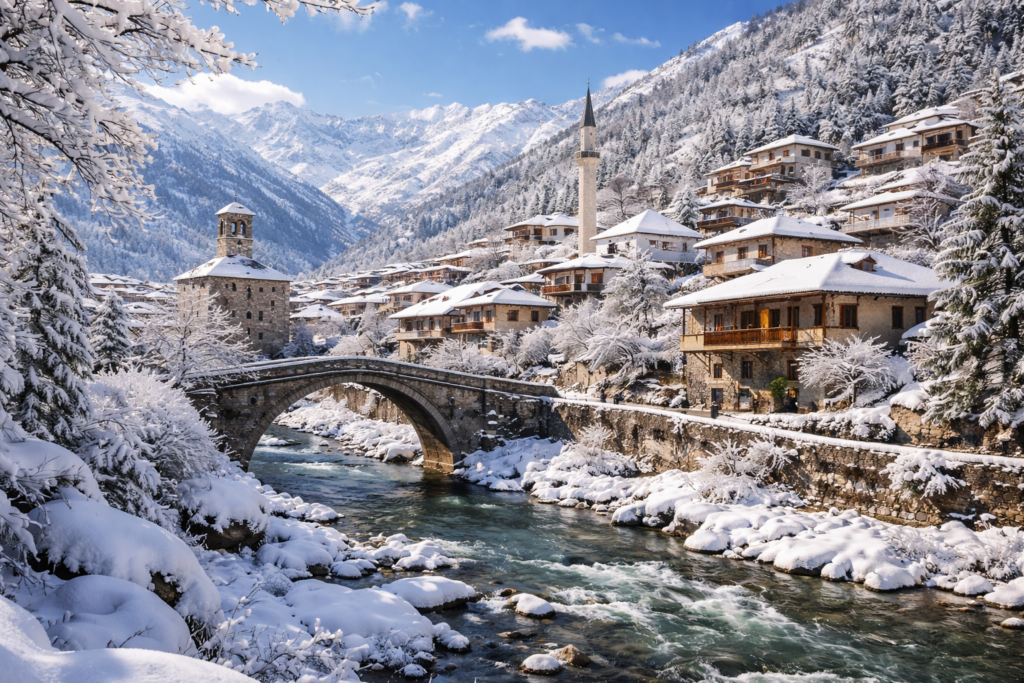
Berat is a UNESCO World Heritage Site and one of the most visually distinctive cities in the Balkans. The name “City of a Thousand Windows” refers to the Ottoman houses stacked up the hillside, whose large, closely spaced windows reflect off each other in the afternoon light. It is the kind of place that looks like a painting from certain angles, and photographers tend to lose hours here without noticing.
The first thing to do when you arrive is walk up to Berat Castle — not just to see the fortifications but because the castle is a living neighbourhood. People have homes here. There are restaurants, a small church, chickens in courtyards. The Onufri Museum inside the castle houses 16th-century Byzantine icons painted by the Albanian master Onufri, whose distinctive red pigment — made from a local plant — is immediately recognisable and unlike anything else from the period.
Back down in the lower town, the Mangalem quarter on the western bank of the Osumi River is the Ottoman residential district, with narrow stone streets, a 17th-century mosque, and the kind of café terraces that make it impossible to keep to any itinerary. Cross the old stone bridge to the Gorica quarter on the eastern bank for the best views back toward Mangalem and the castle above it.
Stay the night in Berat. Do not do it as a day trip from Tirana — the atmosphere in the evening after the day visitors have left is completely different, and several of the best guesthouses are right inside the historic quarters.
Day 4 — Berat to Apollonia, Vlora, and the Llogara Pass
Day 4 is the day the scenery changes completely. Leave Berat in the morning and make your first stop at Apollonia, about 60 km southwest and an hour’s drive. Most travellers skip it — that is their loss. Founded by Greek colonists in the 7th century BC, it was once one of the most important cities in the ancient world. Julius Caesar used it as a military base, and the young Octavian — later Augustus — studied here before sailing back to Rome to claim power after Caesar’s assassination. The ruins are substantial: a colonnaded gateway, an ancient council chamber, a 2nd-century temple, and a monastery built directly into the ancient structures. Allow 1.5 hours. Entrance is around €5 per person.
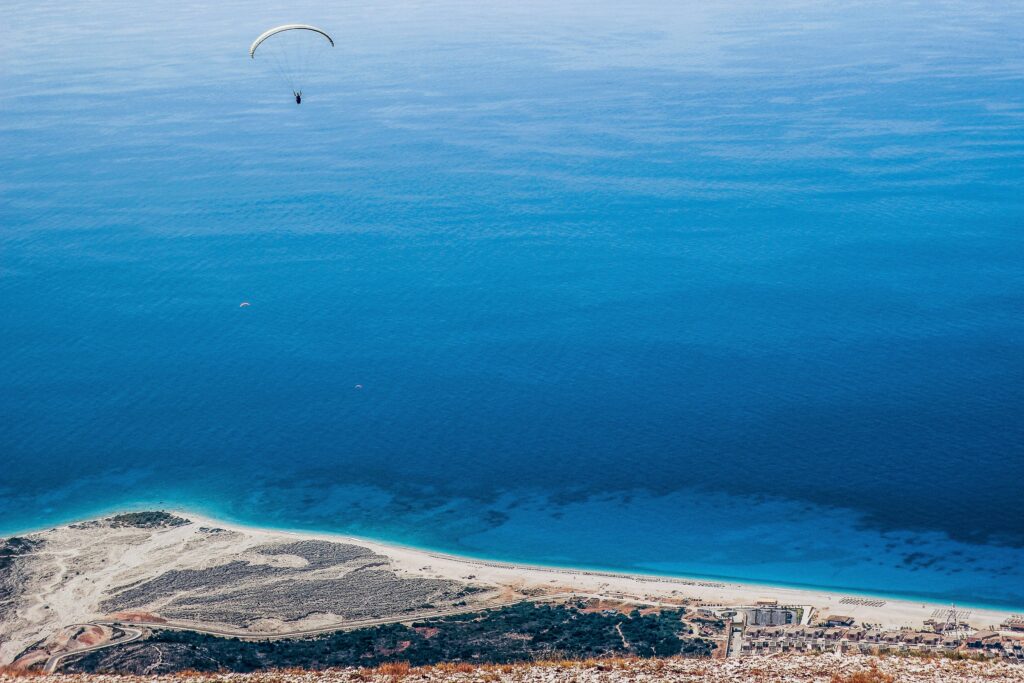
From Apollonia, continue to Vlora for lunch on the waterfront — then south toward the Llogara Pass. The road climbs from sea level to 1,027 metres through pine forest, with the Ionian Sea appearing below you as you near the summit. Stop at the top. The view over the entire southern coastline is the kind of thing you will remember for years. The descent brings you down to the first turquoise coves of the Albanian Riviera and your base for the night in Dhermi or Himara.
Day 5 — The Albanian Riviera: Beaches, Canyons, and Seafood
Day 5 has no agenda. This is your Riviera day — the central beach section of any southern 7 day Albania itinerary — and the only plan you need is to slow down.
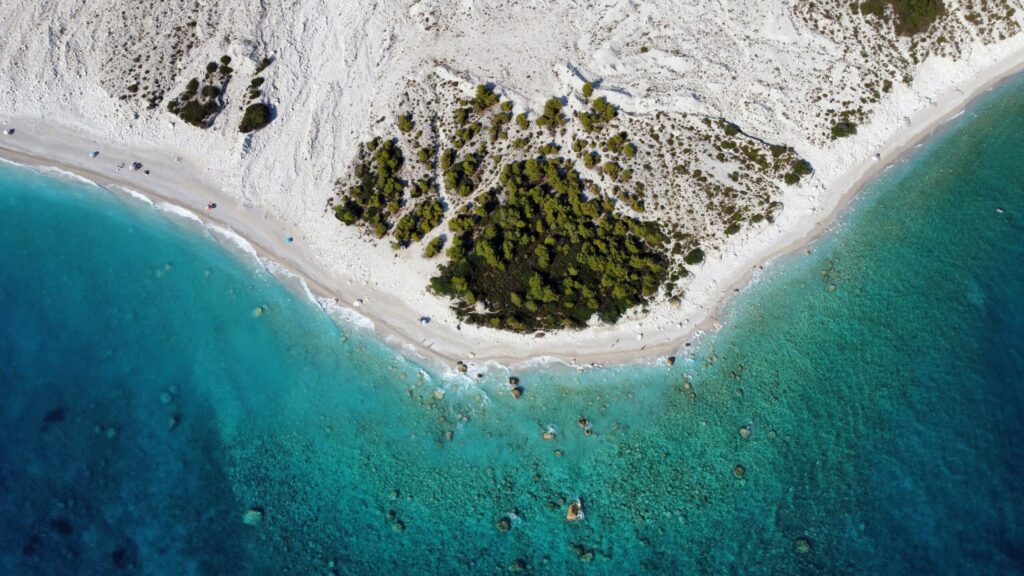
The Albanian Riviera has been called the last unspoiled Mediterranean coastline, which is slightly hyperbolic but not entirely wrong. The water is exceptional — visibility of 10 to 15 metres in the clearer bays — and the beaches alternate between white sand, white pebble, and the occasional dramatic cliff cove. Compared to the Greek or Croatian coast at the same latitude, it is still significantly less crowded and considerably cheaper.
If you are based in Dhermi, the main beach is beautiful and a short walk from the village. The more adventurous option is Gjipe Beach, accessible via a 20-minute hike through a narrow limestone canyon that opens suddenly onto a secluded cove. The canyon walk alone — cool, shaded, with a small stream running through it — is worth doing even if you spend five minutes at the beach.
If you are based in Himara, Livadhi Beach is the main stretch — longer and sandier than Dhermi, with more infrastructure. In the late afternoon, walk up to Himara Old Town above the modern village — a partially ruined hilltop settlement with old stone houses, a Byzantine church, and views along the coast that few tourists bother to make the climb for.
Spend the evening at one of the waterfront seafood restaurants in Himara. Fresh octopus grilled over charcoal, local white wine, and a view of the Ionian Sea at sunset. This is the best possible version of a Tuesday in May.
Day 6 — Saranda: Butrint and Ksamil
Day 6 takes you to the southern end of the Riviera and into Saranda, the main city of Albania’s Ionian coast. The drive from Himara to Saranda is about 70 km and takes roughly 1.5 hours — the road passes through Borsh and Qeparo, quieter and less visited sections of the Riviera that are worth slowing down for if time allows.
Before checking into your Saranda accommodation, stop at Butrint, 18 km south of the city. Butrint is a UNESCO World Heritage Site and one of the most extraordinary archaeological sites in the Mediterranean — a city occupied continuously from the 7th century BC through the Byzantine era, with Greek, Roman, and Venetian remains layered on top of each other in a forest setting beside a lagoon. It does not feel like a ruin in the conventional sense; it feels like a place where time has simply stacked up. Allow two hours minimum.
After Butrint, head to Ksamil, 14 km south of Saranda. This is the most photographed destination in Albania, and it earns it — the small resort village sits on a turquoise lagoon with three uninhabited islands just offshore that create a sheltered bay of improbably clear water. The beaches are small and get busy in midsummer, but in May, June, or September you can find a spot without difficulty. The water colour is the kind of thing that makes people question whether their camera is lying to them.
Return to Saranda for the evening. The city has a long palm-lined promenade facing the bay, with the lights of Corfu visible across the water on a clear night. The restaurant scene is good — fresh fish, grilled meat, and the local raki if you are that way inclined. Saranda is an easy city to enjoy without effort.
Day 7 — Blue Eye, Lëkurësi Castle, and Departure
Your last morning of this 7 day Albania itinerary belongs to two of Saranda’s most memorable experiences, both within easy reach of the city.
Start early at the Blue Eye (Syri i Kaltër), a natural spring 25 km northeast of Saranda. Water rises from an unknown depth through a circular opening in the rock, creating a perfectly ringed pool of electric blue and turquoise water surrounded by forest. The effect is completely natural and genuinely surreal — the colour has a depth and intensity that photographs struggle to capture. The water is a constant 10°C, which makes swimming in it memorable in a specific way. The short walk through the forest from the car park to the spring is lovely in the morning before the tour groups arrive.
Back in Saranda, drive up to Lëkurësi Castle on the hill above the city. The Ottoman fortification dates to the 16th century and is not large, but the views from its walls — over Saranda, the bay, and the Greek island of Corfu just 14 km across the water — are among the best in southern Albania. There is a café inside the castle walls. Have a final Albanian coffee here. Watch the ferries crossing to Corfu. Decide whether seven days was enough.
Getting Back to Tirana Airport
If you are flying out of Tirana, the return transfer from Saranda to Tirana Airport takes 4 to 5 hours depending on the route. For afternoon or evening flights, a morning departure from Saranda works well. For early flights, consider departing the night before.
Alternatively, if your trip continues into Greece, the Saranda–Corfu ferry takes around 35 minutes and operates multiple times daily in season — check current schedules at Ionian Cruises. A natural extension of any southern Albania itinerary.
Practical Information for Your 7 Day Albania Itinerary
When to Go
The best months for a 7 day Albania itinerary in the south are May, June, and September. The weather is warm, the beaches are swimmable, and the tourist crowds — particularly on the Riviera — are manageable. July and August are peak season: hot, crowded on the coast, and noticeably more expensive. April is fine for Tirana and Berat but cooler on the coast. October is increasingly popular and still mild.
Getting Around
Private transfers are the most practical way to move between the destinations in this itinerary. The Tirana–Berat–Riviera–Saranda route is not well served by public transport, and the Llogara Pass section in particular is a road you want a confident, experienced driver on. Pre-booking your transfers also means you can travel on your own schedule — no waiting for morning buses or losing half a day at a junction town. Book all legs of your journey here.
Budget
Albania is one of the most affordable destinations in Europe. A comfortable mid-range traveller — good guesthouses, restaurant meals, private transfers — can expect to spend €80 to €120 per day. Budget travellers can do it for considerably less. Even the Albanian Riviera in summer is significantly cheaper than comparable destinations in Greece or Croatia. The currency is the Albanian Lek (ALL); euros are accepted in tourist areas but you will get better rates paying in Lek.
Visa and Entry
EU, UK, US, Australian, and most other Western passport holders can enter Albania without a visa for stays up to 90 days. Check the Albanian e-Visa portal for current entry requirements for your nationality before travel.
Frequently Asked Questions
Is 7 days enough to see Albania?
Seven days is the ideal length for a first visit to southern Albania. You can cover Tirana, Berat, the Albanian Riviera, and Saranda without feeling rushed. If you have 10 days, you can add Shkodra and the Accursed Mountains in the north, or extend into Ohrid, North Macedonia.
How do I get from place to place on a 7 day Albania itinerary without a car?
Private transfers cover every leg of this itinerary. Tirana to Berat, Berat to Vlora, Vlora to the Riviera, and through to Saranda — all can be pre-booked door-to-door. Book your Albania transfers here.
Is southern Albania safe for tourists?
Yes. Southern Albania — including Tirana, Berat, the Riviera, and Saranda — is safe for tourists. Petty crime exists as in any destination, but violent crime targeting tourists is rare. Albania has changed dramatically in the past decade. Check your government’s official travel advice — the UK Foreign Office and most equivalent agencies rate Albania as a standard tourist destination.
What is the best base for the Albanian Riviera?
Himara offers the best combination of beach access, restaurants, and a genuine local atmosphere. Dhermi is more exclusively beach-focused and quieter in the evenings. Both work well for a Riviera night on this 7 day Albania itinerary.
Can I extend this 7 day Albania itinerary to include Ohrid?
Yes — and it is a natural extension. From Saranda, a private transfer to Ohrid in North Macedonia takes around 3 to 4 hours via the eastern route. Ohrid is one of the most beautiful lake cities in Europe and pairs perfectly with southern Albania. Add 2 to 3 days if you can.
Ready to Start Planning?
Tirana Airport Shuttle operates private transfers and tours for every leg of this 7 day Albania itinerary — from your arrival at Tirana Airport on Day 1 to your return transfer from Saranda on Day 7. All vehicles are modern and air-conditioned, all drivers are English-speaking and experienced on these routes, and all bookings include real-time flight monitoring and free cancellation up to 24 hours before departure.
Book your Private Tours online or get in touch directly:
- WhatsApp / Phone: +355 67 604 4052
- Email: tiranaairportshuttle@gmail.com